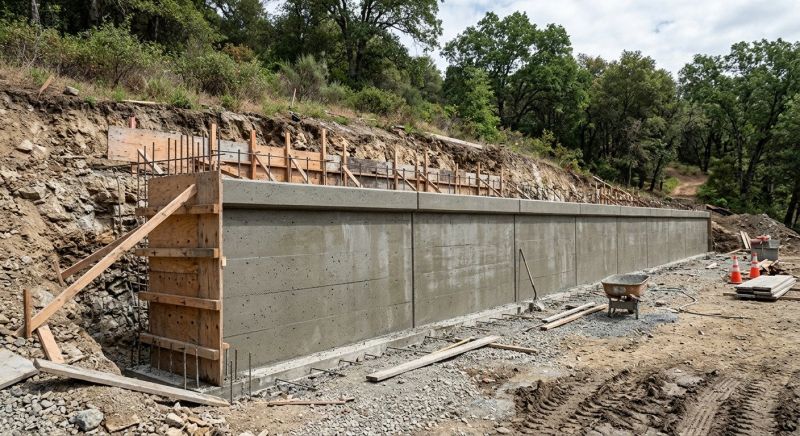
Retention Wall Construction in Brevard County, FL
Retention wall construction services involve designing and building structures that hold back soil and prevent erosion on residential properties. These walls are commonly used in landscaping projects such as sloped yard stabilization, terracing, garden bed support, or creating level areas on uneven terrain. Property owners typically seek these services to improve their outdoor aesthetics, increase usable space, or protect structures and landscaping from shifting soil. Before requesting a retention wall, it’s helpful for homeowners to consider factors like the type of soil, drainage needs, the desired height and material of the wall, and any local building regulations that may apply.
Understanding the different types of retaining walls, such as gravity, cantilever, or segmental block walls, can influence project planning and material selection. Property owners should also evaluate the long-term durability and maintenance requirements of various materials, including concrete, stone, or timber. Clear communication about the intended purpose, budget, and site conditions can help ensure the project meets expectations and functions effectively within the landscape. Proper planning and expert guidance can lead to a structurally sound and visually appealing retention wall that enhances the property’s value and outdoor usability.
Many property owners in Brevard County, FL look into Retention Wall Construction for repairs, replacements, upgrades, and appearance-related improvements.
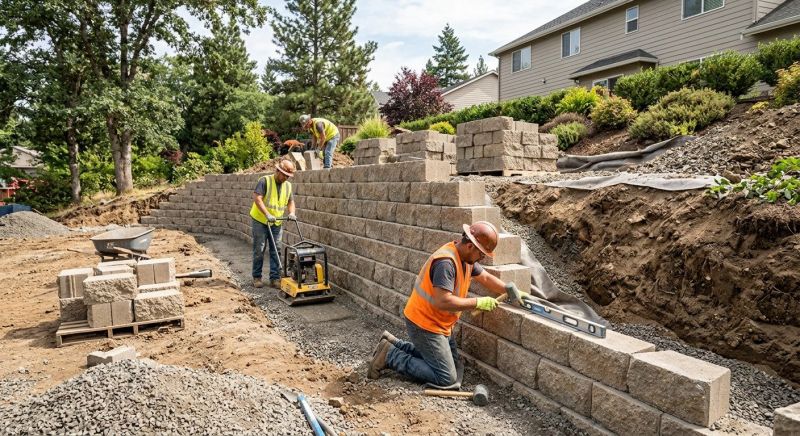
Types Of Retention Walls
Different styles and materials are available to suit various landscape and soil conditions.
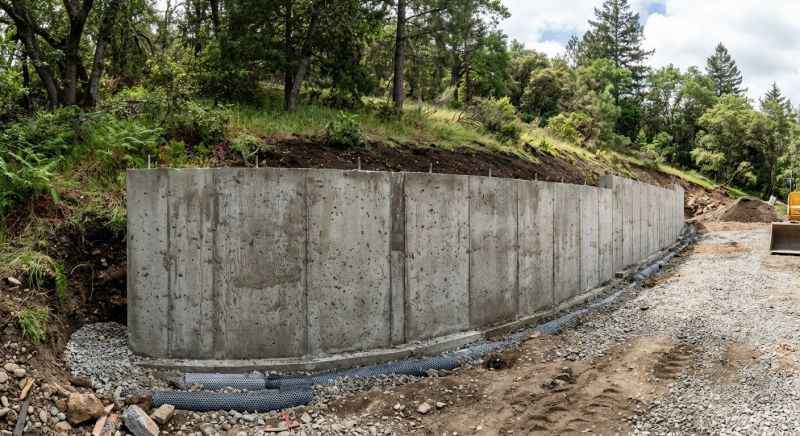
Benefits Of Retention Wall Construction
Properly built walls help prevent erosion, create level areas, and enhance property stability.
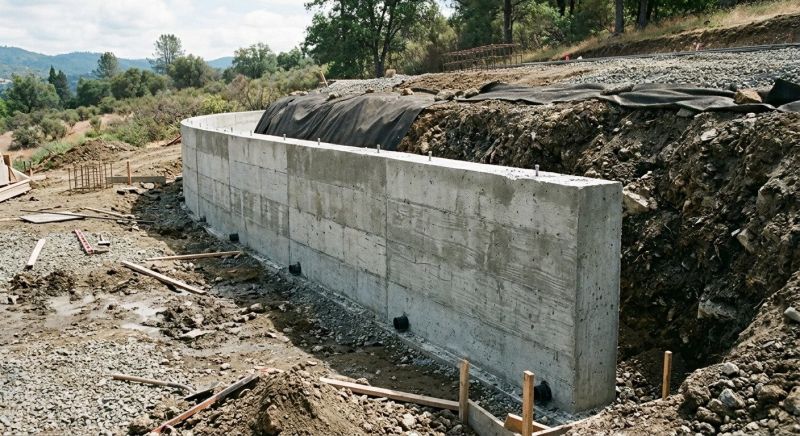
Common Applications
Retaining walls are often used for garden terraces, hillside support, and property boundary reinforcement in brevard county.
Retention Wall Construction in Brevard County, FL
Retention wall construction services involve designing and building structures that hold back soil and prevent erosion on residential properties. These walls are commonly used in landscaping projects such as sloped yard stabilization, terracing, garden bed support, or creating level areas on uneven terrain. Property owners typically seek these services to improve their outdoor aesthetics, increase usable space, or protect structures and landscaping from shifting soil. Before requesting a retention wall, it’s helpful for homeowners to consider factors like the type of soil, drainage needs, the desired height and material of the wall, and any local building regulations that may apply.
Understanding the different types of retaining walls, such as gravity, cantilever, or segmental block walls, can influence project planning and material selection. Property owners should also evaluate the long-term durability and maintenance requirements of various materials, including concrete, stone, or timber. Clear communication about the intended purpose, budget, and site conditions can help ensure the project meets expectations and functions effectively within the landscape. Proper planning and expert guidance can lead to a structurally sound and visually appealing retention wall that enhances the property’s value and outdoor usability.
Many property owners in Brevard County, FL look into Retention Wall Construction for repairs, replacements, upgrades, and appearance-related improvements.
Common Retention Wall Construction Jobs
Retaining Wall Construction - builds durable walls to support soil and prevent erosion.
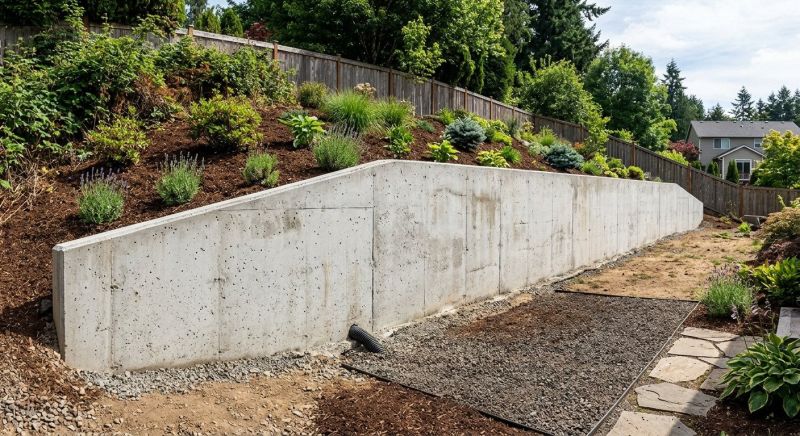
Concrete Retaining Walls - provides a strong and versatile option for various landscape needs.
Stone Retaining Walls - adds natural beauty and stability to garden and yard designs.
Segmental Block Walls - offers flexible and easy-to-install solutions for property boundaries.
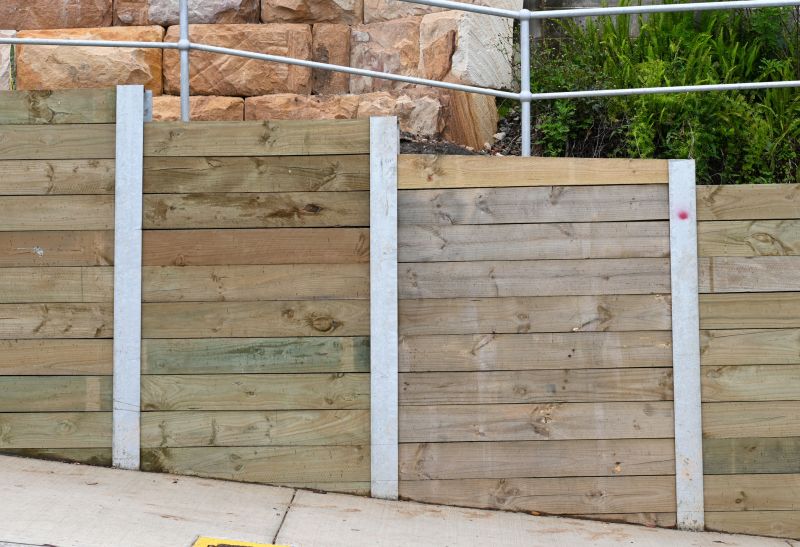
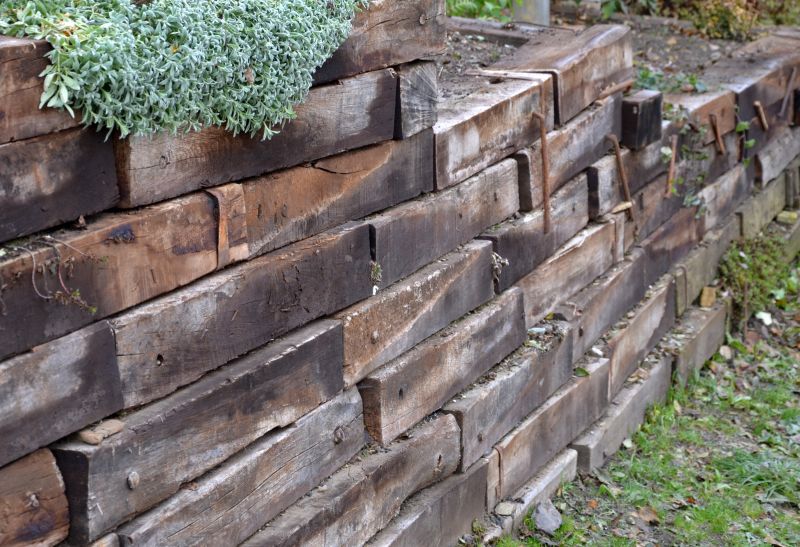
Wood Retaining Walls - creates attractive, functional barriers for level landscaping.
Custom Retaining Walls - tailored to fit specific site conditions and aesthetic preferences.
Retention Wall Construction Questions
What types of retaining walls are available for residential properties? Common options include concrete, stone, and timber walls, each suited for different landscape needs and aesthetic preferences.
How do I know if a retaining wall is necessary? Retaining walls are typically needed to prevent soil erosion, manage slopes, or create level areas in uneven terrain.
What should be considered when planning a retaining wall project? Factors include soil type, drainage, wall height, and the overall landscape design to ensure stability and longevity.
Are there specific materials recommended for coastal or sandy soils? Materials like concrete and stone are often preferred for their durability in sandy or high-moisture environments.
Request Retention Wall Construction in Brevard County, FL
Use the quote form on this page to share the basics of your project and request more information for the type of work you need.