Compare Local Contractors for Retention Wall Construction Success
Compare local contractors for retention wall construction to define scope, verify experience, and set clear expectations, ensuring a successful project tailored to your property needs.
Retaining wall construction involves creating structures designed to hold back soil and prevent erosion on sloped or uneven properties. This work typically includes planning the layout, selecting appropriate materials such as concrete, stone, or timber, and ensuring proper drainage to maintain stability over time. Contractors may also handle excavation, foundation work, and the installation of reinforcements to ensure the wall’s durability. Understanding the scope of this work helps property owners communicate their needs clearly and ensures that the project addresses all necessary elements for a safe and effective result.
Defining the scope of a retaining wall project is essential for setting clear expectations and avoiding misunderstandings. A detailed scope might specify the size and height of the wall, the type of materials used, drainage requirements, and any additional features like steps or decorative elements. When property owners articulate these details in writing, it provides a reference point for comparisons and helps ensure that all contractors are bidding on the same work. Clarifying scope also assists in identifying which contractors have relevant experience and expertise for the specific project.
Comparing local contractors for retaining wall construction involves evaluating their experience, reputation, and ability to meet the defined scope of work. Property owners can review credentials, request references, and examine past projects to gauge a contractor’s proficiency. It’s also helpful to consider how each contractor communicates and whether they provide detailed proposals that outline the work to be performed. By focusing on these practical factors, property owners can make informed decisions and select service providers who are capable of delivering the desired results within the scope of their project.
Compare local contractors by outlining project priorities, verifying experience, and clearly defining scope and expectations in writing.
- Experience Verification - Review the background and previous work of local contractors to ensure they have relevant experience in retention wall construction.
- Scope Definition - Clearly outline project requirements and expectations to compare contractor proposals effectively.
- Written Agreements - Ensure all project details, responsibilities, and specifications are documented in a formal contract.
- Comparison of Services - Evaluate the offerings and expertise of different local service providers to find the best match for the project.
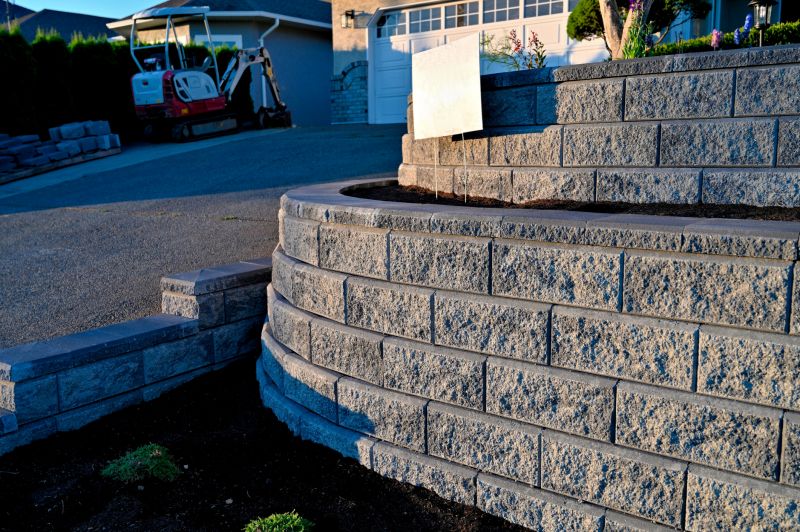
Before comparing contractors for retention wall construction, clearly define your project scope and ensure expectations are documented.
- Verify experience with retention wall construction projects similar in scope and complexity. - Ensure contractors can provide examples of past work that demonstrate their expertise.
- Define the scope of work clearly in writing, including materials, dimensions, and design details. - Clear documentation helps prevent misunderstandings and sets proper expectations.
- Check that contractors are familiar with site conditions and any necessary permits or approvals. - Experienced service providers should assess site-specific factors impacting construction.
- Compare credentials and references to evaluate the reliability and quality of local contractors. - Gathering feedback from previous clients can offer insight into their performance.
- Discuss project timelines and milestones to ensure alignment on deliverables and expectations. - Confirm that all parties agree on the sequence and completion points of the work.
- Request detailed written proposals outlining scope, materials, and responsibilities before selecting a contractor. - A comprehensive proposal helps compare options and establish a clear understanding of the project.
Compare local contractors’ experience, clarify scope, and set expectations clearly in writing.
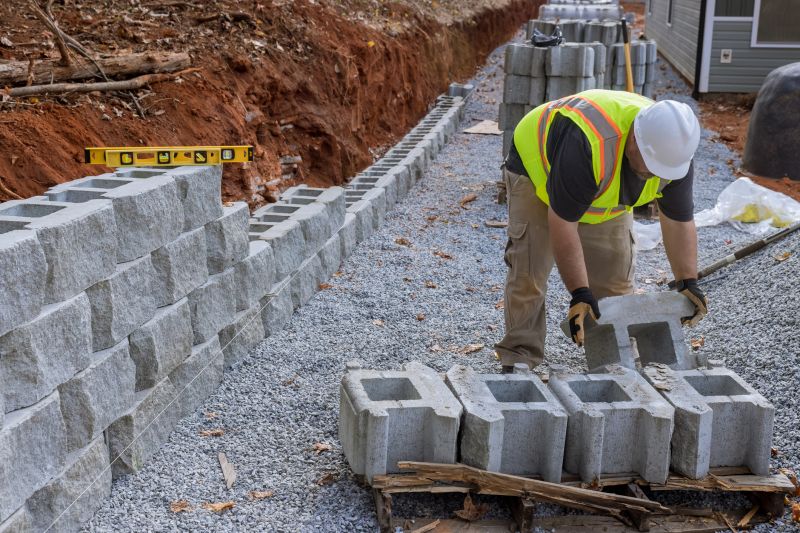

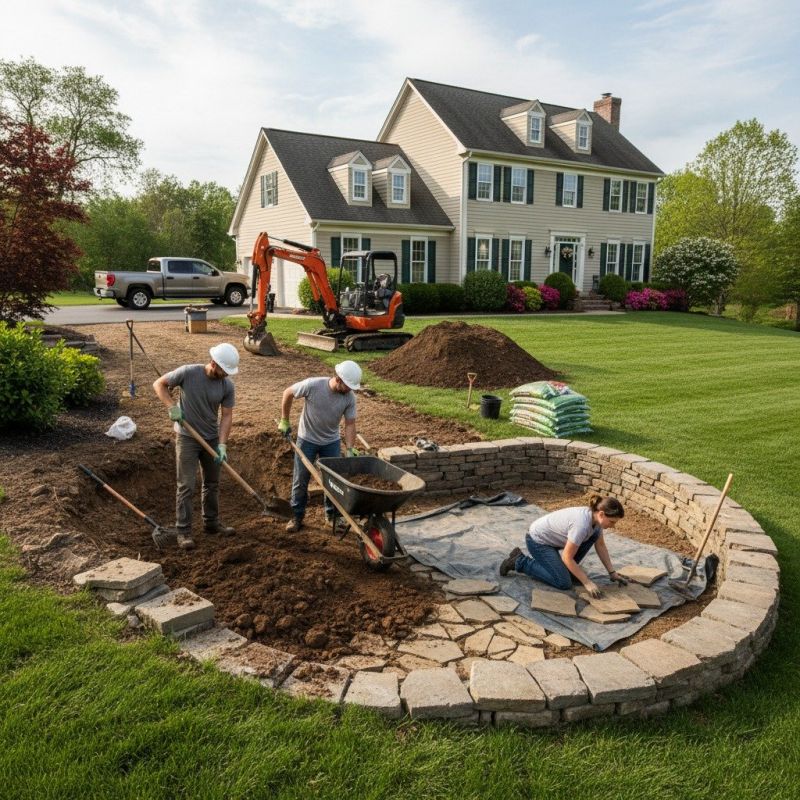

Compare local contractors' experience and scope details carefully to ensure consistent expectations across providers.
- Scope Definition - Clearly outline the specific dimensions, materials, and design features required for the retention wall.
- Experience Verification - Confirm that local contractors have relevant experience with retention wall construction projects.
- Material Specifications - Specify the types of materials to be used and any quality standards that need to be met.
- Site Preparation Requirements - Identify necessary site conditions, including excavation, grading, and drainage considerations.
- Documentation and Expectations - Ensure all project details, including scope, materials, and responsibilities, are documented in writing.
When evaluating contractors for retention wall construction, it’s important to consider their experience with similar projects. Homeowners should inquire about the types of retaining walls they have built in the past, paying attention to the complexity and scale of those projects. Contractors with a proven track record in constructing walls that match the specific terrain and soil conditions of the site are more likely to deliver results that meet expectations. Reviewing their portfolio or requesting references related to comparable work can provide insights into their familiarity with the challenges involved and their ability to handle projects of similar scope.
A clear, written scope of work is essential when comparing service providers. This document should outline the specific tasks to be completed, the materials to be used, and the overall responsibilities of the contractor. Having a detailed scope helps ensure that both parties share the same understanding of the project's requirements, reducing the potential for misunderstandings or overlooked details. Homeowners should look for contractors who provide comprehensive written descriptions and are willing to clarify any aspects of the scope before work begins, establishing a foundation for transparent communication throughout the project.
Verification basics are key to choosing reliable contractors for retention wall projects. Homeowners should verify that prospective service providers have appropriate experience, a history of successful projects, and positive references from past clients. Confirming that contractors have appropriate insurance coverage and a good safety record can also contribute to peace of mind. While licensing and certification are not the focus here, ensuring that contractors follow industry best practices and adhere to local building codes can help identify those committed to quality work and professional standards.
When comparing options, it’s helpful to focus on how each contractor plans to approach the project and how well their proposed scope aligns with the homeowner’s needs. Homeowners should evaluate the clarity and thoroughness of each proposal, paying attention to details such as project milestones, material specifications, and communication methods. Asking for written descriptions of the work process and verifying that each contractor understands the site conditions can aid in assessing their readiness and professionalism. This approach ensures that expectations are clearly set and that the chosen service provider is prepared to execute the project effectively.
Ask contractors to provide written scope details to ensure clear expectations and consistent project understanding.
- Experience Verification - What specific experience do local contractors have with retention wall construction projects similar to the scope?
- Scope Definition - How clearly do the service providers outline the work included and any potential limitations?
- Material and Design Options - Do local contractors specify the types of materials and design choices available for the retention walls?
- Project Expectations - How do local pros communicate project scope, responsibilities, and deliverables in writing?
- Comparison Criteria - What factors should be used to compare different contractors beyond pricing and timelines?
How can I compare contractors for retention wall construction? Comparing local contractors involves reviewing their experience, checking references, and evaluating their previous work to ensure they meet the project's specific needs.
What should I include in the scope of work when hiring a contractor? Clearly outline the project details, materials, design expectations, and any specific requirements to help contractors provide accurate proposals and avoid misunderstandings.
How do I verify a contractor’s experience with retention walls? Ask for examples of past projects, request references, and review any available portfolios to assess their expertise and quality of work in retention wall construction.
Why is it important to put project expectations in writing? Documenting scope, materials, and responsibilities helps prevent miscommunications, sets clear expectations, and provides a reference for project completion standards.
What questions should I ask potential contractors during the selection process? Inquire about their experience, approach to retaining wall construction, methods for handling challenges, and how they ensure project quality and safety standards.
How can I ensure a contractor understands my project goals? Communicate your design preferences, site conditions, and any specific needs clearly and confirm that these details are included in the written scope before work begins.
Understanding the key aspects of hiring contractors for retention wall construction can help ensure the project aligns with expectations. By learning how to compare local service providers, define the scope of work clearly, verify their experience, and put agreements in writing, homeowners and property managers can make informed decisions. This approach supports a smooth process and helps set a solid foundation for the work ahead.
To explore options and find the right contractor for retention wall construction, using the quote form to compare local service providers is recommended. This step allows for a straightforward way to gather information and connect with experienced contractors who can handle the job efficiently. Taking the time to compare and define project details can lead to a more confident decision when selecting a service provider.